


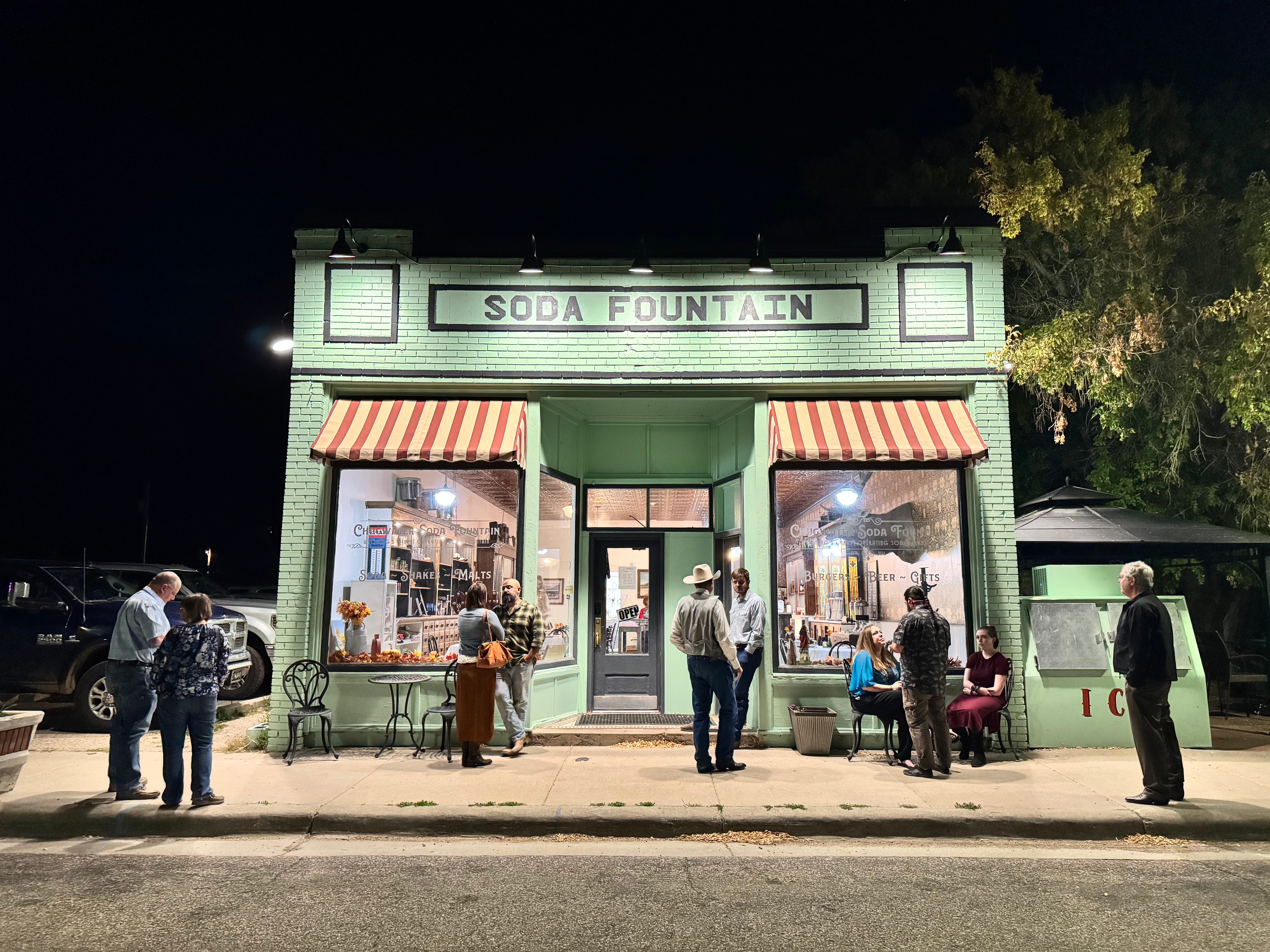
A quaint little business on Main Street in a small town.
It’s the stuff Hallmark movies are made of.
The historic building, creaky floors, foot traffic, nostalgia, community… we loooove to romanticize it.
After reviving the oldest operating soda fountain in the state of Wyoming, I can tell you firsthand that yes, there is something deeply meaningful about bringing an old place back to life.
Yet, like most things we romanticize from a distance, it’s usually a whole lot less romantic up close.
Since buying the soda fountain five years ago, I’ve had a lot of people ask about following in my footsteps. I usually get a little tongue-tied at that point, because there’s so much I want to say, I don’t know where to begin. So today I pulled together a few of the thoughts that feel most important. Here we go:
1. You’ve got to solve a problem.
Not a fake problem. A real problem.
That’s true for any business, but especially one in a tiny town with limited patrons.
You see, the dream usually goes like this:
I love this thing sooooo much that surely everyone else will love it too and I’ll make millions from it.
Occasionally that works. Usually it doesn’t.
Just because something is cute, charming, artisanal, or personally exciting to you does not mean people are going to buy enough of it to keep your lights on.
I know that sounds harsh. But it’s true. Some things are simply better left as hobbies, side projects, or creative outlets.
People will say they want the candles, the soaps, the cheese, the darling little handmade things. They’ll tell you your idea is adorable. They’ll say, “This town needs that!”
And they probably mean it in the moment…
But there’s a big difference between what people say they want and what they’ll actually buy on a consistent basis. (Or what you can sell enough of to stay in business…)
That’s the part a lot of dreamers miss.
A small-town business must fill a real need. It must give people a reason to come back again and again. Because (I’m going to hold your hand when I say this) you cannot build a business on pity purchases.
When money gets tight or the novelty wears off, people stop buying the artisanal soap or goat cheese… Random requests do not equal demand. Compliments do not equal sales. And three people saying, “You should open one of those!” is not market research.
2. Respect the history—but listen to your gut.
When you buy an established business in a small town, you’re stepping into a story.
All the people who came before you have history with that place. And boy oh boy do they have opinions.
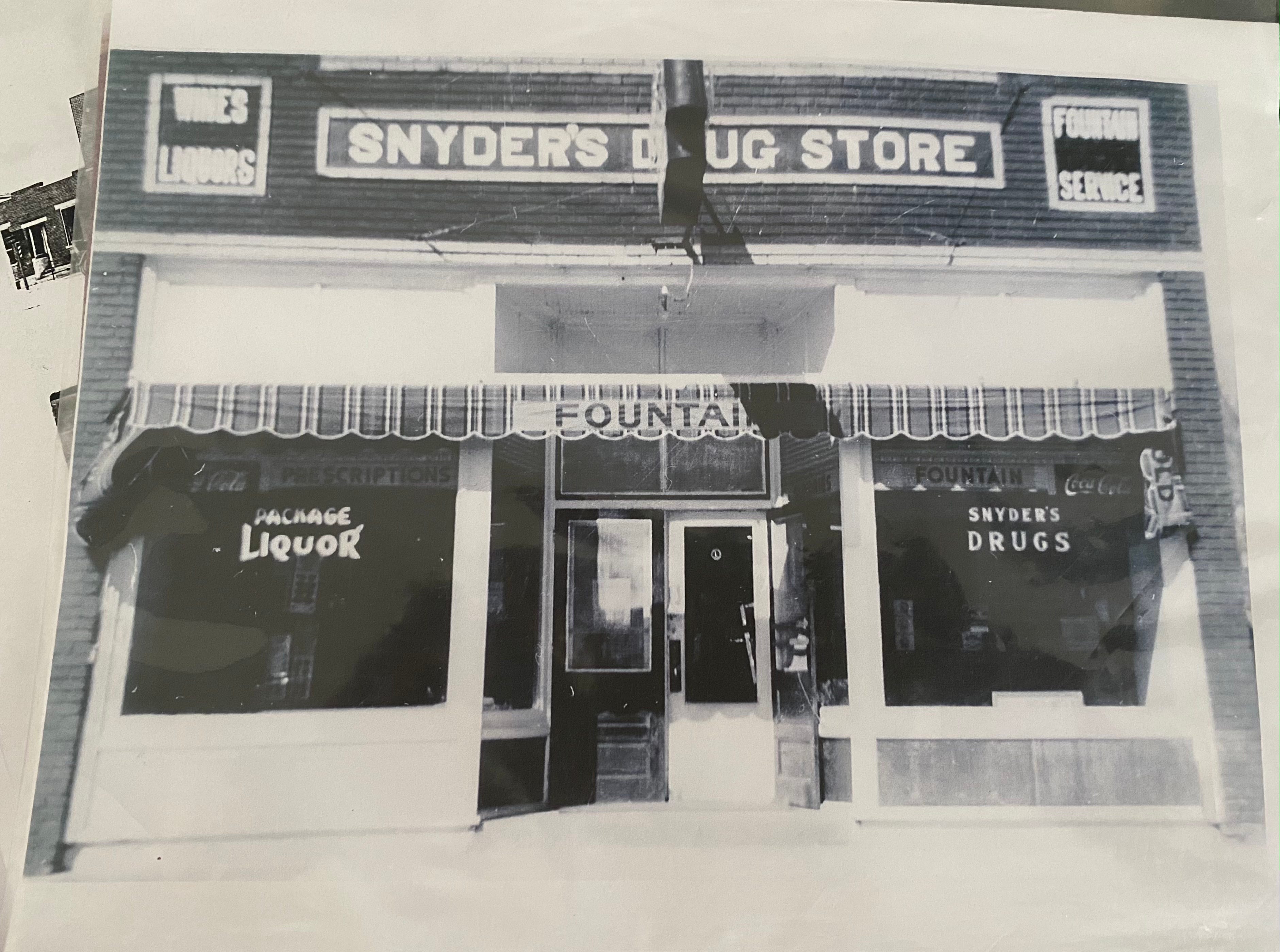
They remember what used to be there. They have pictures of their grandma standing in that building when she was eight years old. They remember what color the booths were in 1972. They remember the “right” way things were done, and they will tell you about it. Over and over and over again.
And it matters. History matters. Memory matters. A sense of place matters. There’s nothing worse than someone who stomps into a place with zero reverence for what came before.
But what people don’t realize is that there’s usually a reason the old thing became old. A reason it stopped working. A reason it started to dwindle.
There’s a reason the soda fountain was fading before we bought it. (Many reasons, actually…)
And if I had kept it on that exact same path—like many people wanted me to do—it would be dead by now.
That’s the part small towns often do not understand: if you’re not growing, you’re dying.
So yes, listen to the old-timers, take the history into consideration, absorb the stories…. But then? Trust your gut to bring the building or business or whatever into the future so it can continue to exist.
It’s very possible to honor what came before while still casting a vision for what comes next. Lean into the nostalgia, but don’t let it be your only compass.
3. Diversify. Or else.
In a small-town business, one income stream is usually not enough. Actually, that’s good advice for any business.
It’s rare that you can rely on one format, one offer, or one version of the business to carry the whole thing. Instead? Build layers.
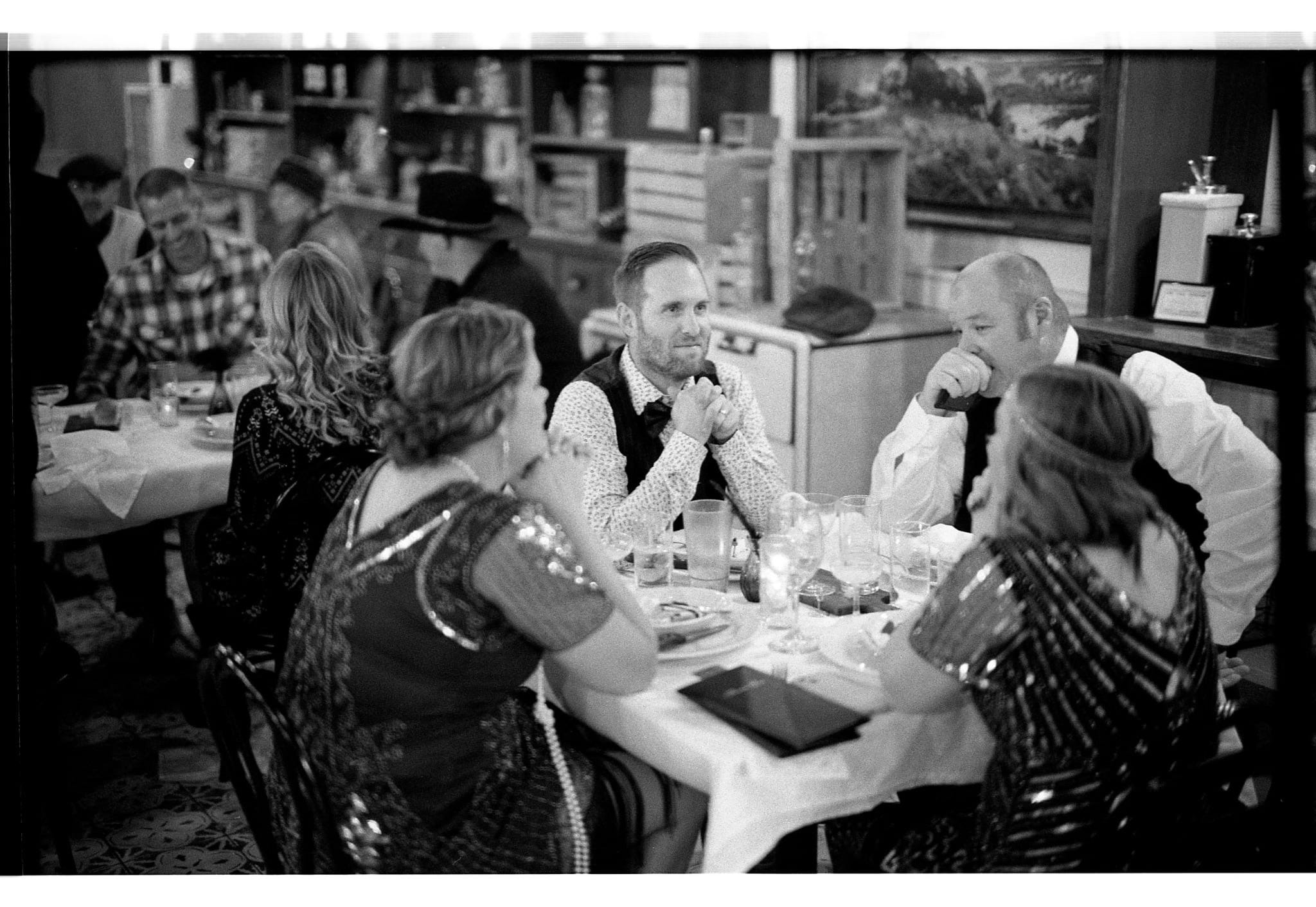
For us, that looks like offering our signature burgers and shakes during the day, then transforming the Fountain into a magical supper club one or two nights per month. We’ve also dabbled in catering and special events and will continue to do so.
Remember—not every part of the business has to do the same job. Some parts bring consistency, some bring margin, some create buzz, some bring in a totally different customer. But when you combine them all you have something resilient, and that matters greatly in a small town.
4. Market to out-of-towners, too.
I adore our locals.
I love greeting them by name when they walk in the door. I love starting their order before they sit down because I know it by heart. I love that we have breakfast specials named after our coffee guys. There’s something sacred about that level of familiarity.
But if it depended only on locals, the Soda Fountain would have died a long time ago.
As much as I hate Interstate 25, it’s one of the main reasons the Fountain is still alive. We need the travelers and the tourists and the day-trippers. And you can bet I do everything I can to bring them in, too.
Believe it or not, the vast majority of the traffic to our fancy supper nights comes from out of town. We regularly have people drive three or four hours to dine with us. We’ve even had people fly in for them.
Surprisingly (or maybe not surprisingly…) that has created some tension. Some locals have accused us of catering to outsiders (I guess that’s a bad thing??). And some have insisted the business is no longer “for them.”
But I disagree. A business can love its town deeply and still need people from beyond it to survive. Those two things don’t have to be mutually exclusive.
5. Create an experience.
Your customers aren’t just buying food or products or services—they’re buying a feeling.
The world is full of cookie-cutter franchises, strip malls, chain stores, fluorescent lighting, and sterile sameness. It’s BORING.
We want story. We want atmosphere. We want to be delighted. We want something that feels real and human in a world that feels flat and copy-pasted.
THAT, my friend, is the secret sauce.
Word of mouth has been wildly effective for the Soda Fountain, and that’s true for any business.
But people don’t talk about things that are expected and “fine” and the same.
They talk about things that are memorable.
They talk about things that surprised them.
They talk about things that made them feel something.
They talk about things that gave them a story to tell on the drive home.
My little Soda Fountain doesn’t just sell food. It sells nostalgia. A memory. A break from modern life. A small town story people want to step inside for an hour. That’s what makes it worth talking about.
And if you can intentionally weave those experiences into your business, no matter what kind it is, everything changes.
6. Lean into your liabilities.
Friend, you don’t want to be normal. That’s the LAST thing you want. Normal is forgettable.
Whatever makes you different, even if it drives you crazy…. even if a business consultant says it’s crazy… OWN IT. All of it.
Sometimes the very thing you’re tempted to downplay is the very magic you’ve been looking for.
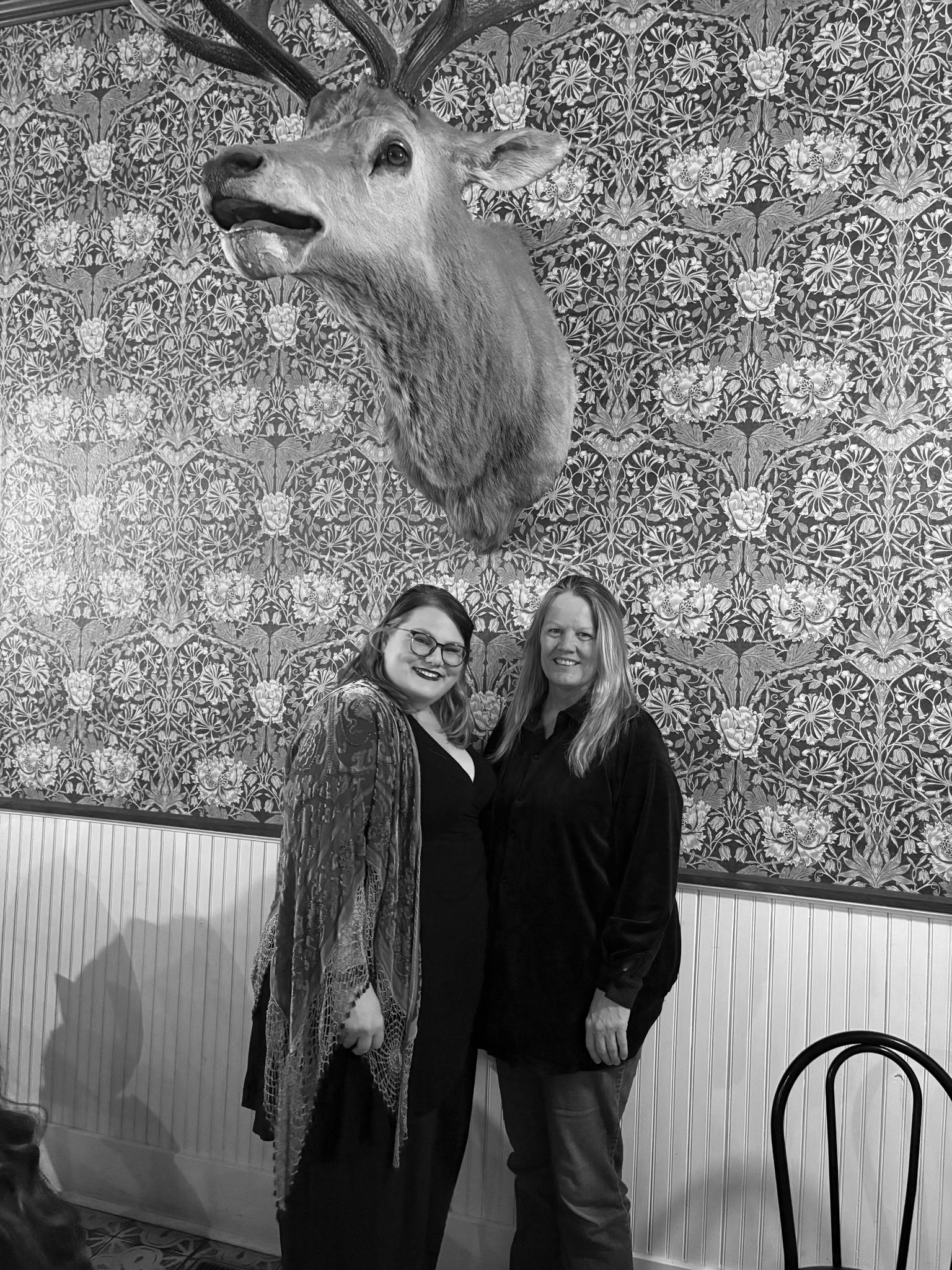
I’ll tell you what—no one is going to forget the name Chugwater. That’s memorable. A mint-green soda fountain in the middle of brown-prairie-rural-Wyoming is memorable. Wendell the Antique Elk is memorable. Our ancient rotary phone that you have to yell into to be heard is memorable.
In a world full of generic, there is power in being distinct.
So instead of trying to hide your oddball parts, play them up. Make them part of your story. That’s my favorite sort of magic.
7. Don’t listen to your customers too much.
Yeah, I know. Sounds rude. Hear me out.
The customer is not always right.
Or maybe more accurately: customers are often right about what they want, but not right about the ramifications of providing it.
They’ll want you to have longer hours. More menu items. More flexibility. More accommodation. More, more, more.
That’s normal. They’re viewing your business as customers, not as the people responsible for keeping it afloat. That part is your job, and you have to take it seriously.
I’ve learned this the hard way: if you build your business around endless customer preference, you’ll quickly end up with a bloated, exhausting, low-margin mess that serves everyone except the person trying to keep it alive.
More isn’t always better—regardless of what the peanut gallery insists. Sometimes the very best thing you can do for a business is curate carefully, prune ruthlessly, and exercise a little restraint.
8. Charm matters—but it can’t carry the whole thing.
Nobody loves charm more than me. But charm by itself is not enough to carry a business.
It still has to make sense.
It still has to solve a problem.
It still has to have structure, margins, boundaries, discernment, and strategy underneath the magic.
Perhaps that’s been my biggest lesson in the past five years: A solid small-town business is part romance, part realism, and its your job as the business owner to figure out how to balance both of those things.
It’s not easy. But when you build something useful AND memorable, grounded AND charming, distinct AND sustainable, it becomes more than a business.
It becomes a place people care about. And in this strange, flattened-out modern world, that might be one of the most valuable things of all. ❤️
I've personally followed your for many years, admittedly off and on at times, but overall generally. I love what you share and here you are on Substack going out on a different kind of branch. I am looking forward to more of these.
I’ve followed you for years in your blog. Lovely to see you here on Substack!!
I remember when you bought your business and I really wondered how you were going to keep it going, along with the garden and your animals and the wacky Wyoming weather. This article explains it all!
I love the idea of the themed dinners. What a clever idea.
In my travels, I am going to have to make a point of seeking out your town and this business. And I hope the locals realize that I want to support their small town life rather than take it over!